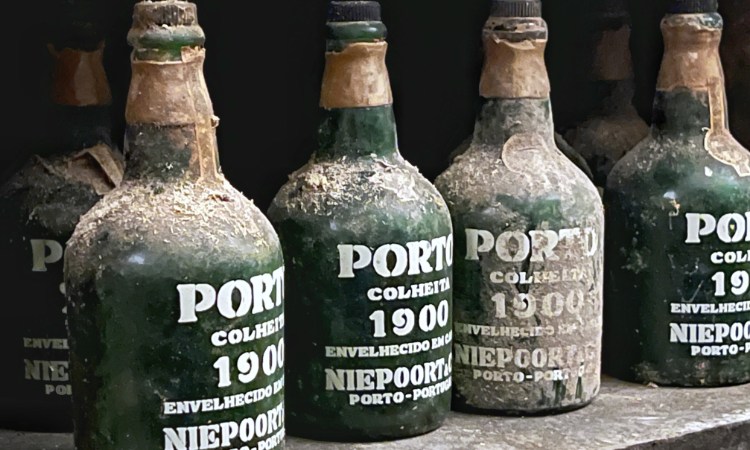
We planned a big anniversary getaway to Portugal in the spring of 2020 but the world came down with COVID. Instead, we celebrated by visiting a local Portuguese grocery store and buying Portuguese sausage and wine.
We continued to do our research in hopes that someday. Porto is known for port winemakers but at more than 16 there are too many to sample them all. A Year in Port, a movie about the Douro Valley and port production, introduced us to the 6-generation Niepoort family port wine business. We found a bottle at a local niche wine store and loved it. This was the one port house that we had to see.
Fast forward 4 years through vaccinations, funerals, the intensity of Zoom-based work from home, retirements, and suddenly, in Spring 2024, we were both ready to take a vacation and able to at a leisurely pace. It was time to see Portugal.
Over the next few months, I’ll write about the rich experiences we had there both to savor them and to share them with you. The first is our visit to Niepoort.
Getting to Niepoort
Unlike Napa and Sonoma counties where all you have to do is walk in for a wine tasting, Niepoort tasting experiences require a timed reservation. Thankfully we checked for tickets early in our stay in Porto and only waited a week. Note: book early!
When the Uber driver took us to the listed address, it was easy to find in maps but when we were dropped off before a high clay wall with a tall double gate it was hard to believe we found it. But there, high and small, was the address number.
We found a white plastic box at head height. By poking around unscientifically we discovered it had a lid and beneath that a button. A few pressings later, the gates opened and our host welcomed us. He led us promptly through another high double gate into deep darkness, firm sand floors, cobwebs the size of Alice in Wonderland’s Cheshire Cat, and house-sized wood barrels. I wondered if I was safe at all.
A Walk Through
We followed a broad pathway through the vast black room of barrels to a tiny room filled with Vermeer-slanted window light. The room was a small lab which they call “casinha”. Note the landline and all of the ledgers from history.
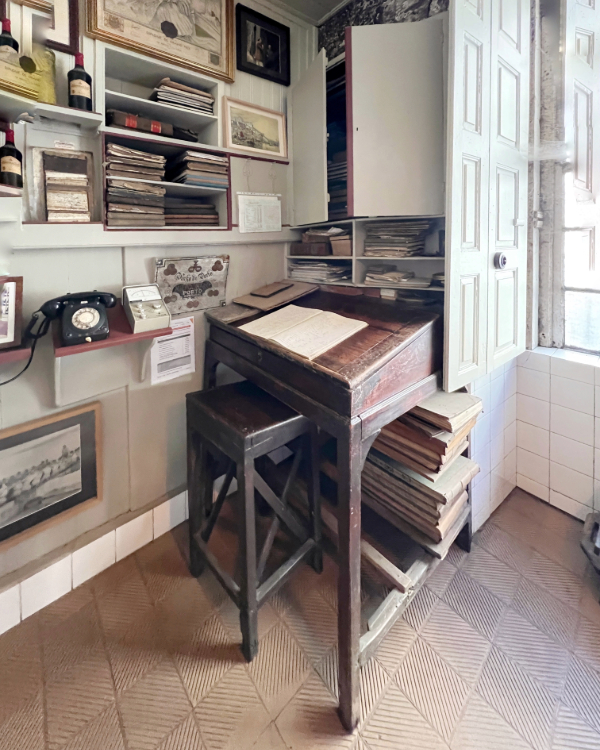
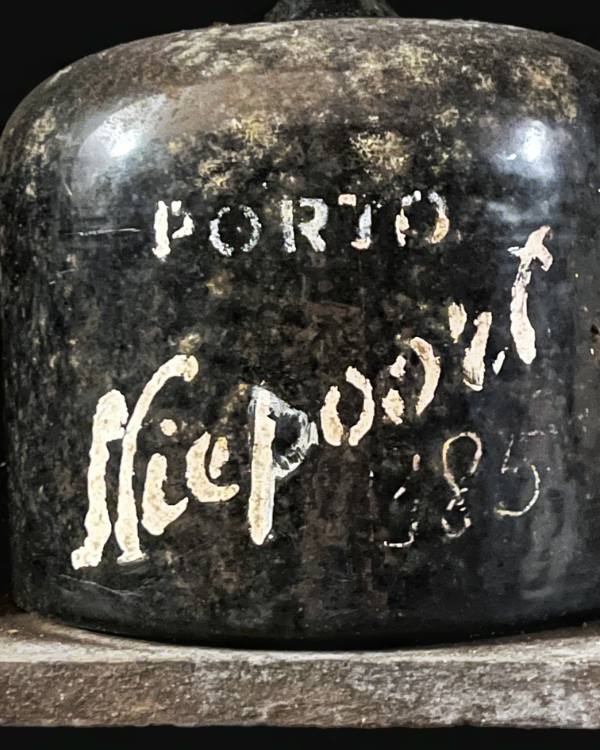
This was my favorite room and I relaxed a little. From there, we walked through the official newly renovated tasting room and descended to the dusty Temple where ports are stored in pharmacy glass while they navigate decades and centuries.
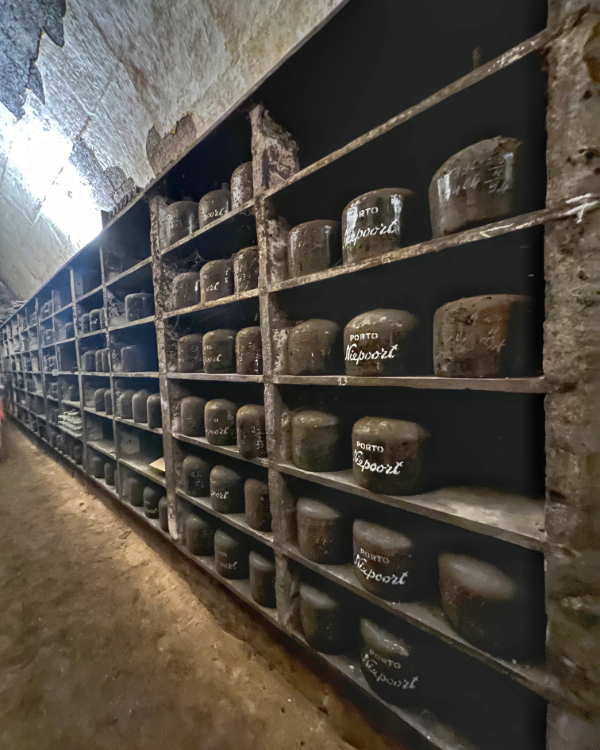
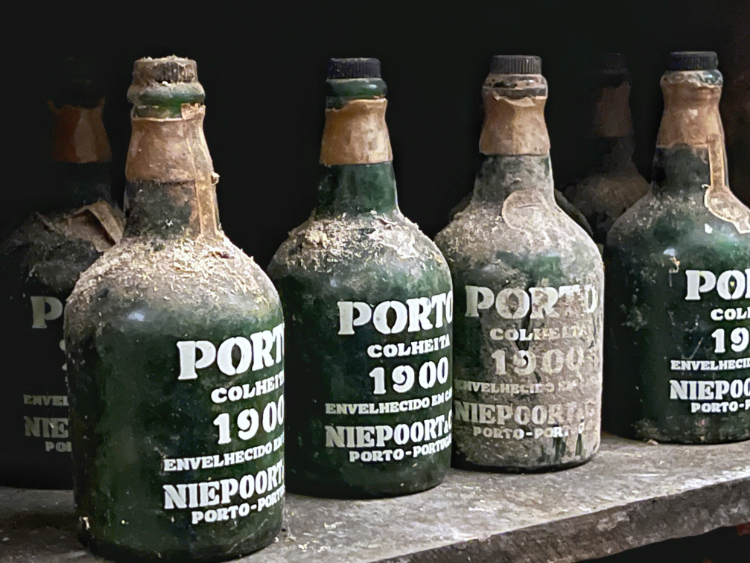
The depth of the dust attests that these bottles have rested unperturbed for over a century.
The Tasting
During the tour, our fantastic guide, José Gomes, introduced us to the taste of Niepoort ports. We tasted in order:
- 1987 Garrafeira
- 2003 Colheita
- Crusted Bioma Vinha Velha
- 2012 White Colheita
The Garrafeira was the oldest and had the darkest color and most complex flavor. At the other end of the spectrum, the Colheita was the lightest color made with white grapes, the lightest in flavor, and the youngest. The Crusted was a mix of ruby, tawny, and white port. Last, when José asked us if anyone wanted to taste the white port, I immediately said, “Always!”
While I don’t have a lot of descriptors for the ports we tasted, I can tell you they were all delicious. We bought a bottle of the Colheita to take home to celebrate special occasions.
We finished the tasting at about 6:00 pm and it was super hot outside. We walked down the hill toward the river and found the Mercado Beira-Rio, a food hall with seats in the shade. It was the perfect recovery spot and great for families.
Personal Reflection
While the tasting itself was amazing, the experience of booking, finding the place, getting in, meeting the guide, and touring the cellar and temple made the taste mean so much more.
If we hadn’t had those 4 years between planning to go to Portugal and actually going, we would never have found this. The advantage of a COVID cancellation that became a delay was the same advantage of an aged Port; this vacation had time to develop complex flavors. The visit to Niepoort was one of them.
 Jennifer Hartnett-Henderson